May 2026
Project UMBRAE
TIGA 2026 Best Student Game finalist. I produced this 15-person horror vertical slice, and built its event system and an asset pipeline plugin.
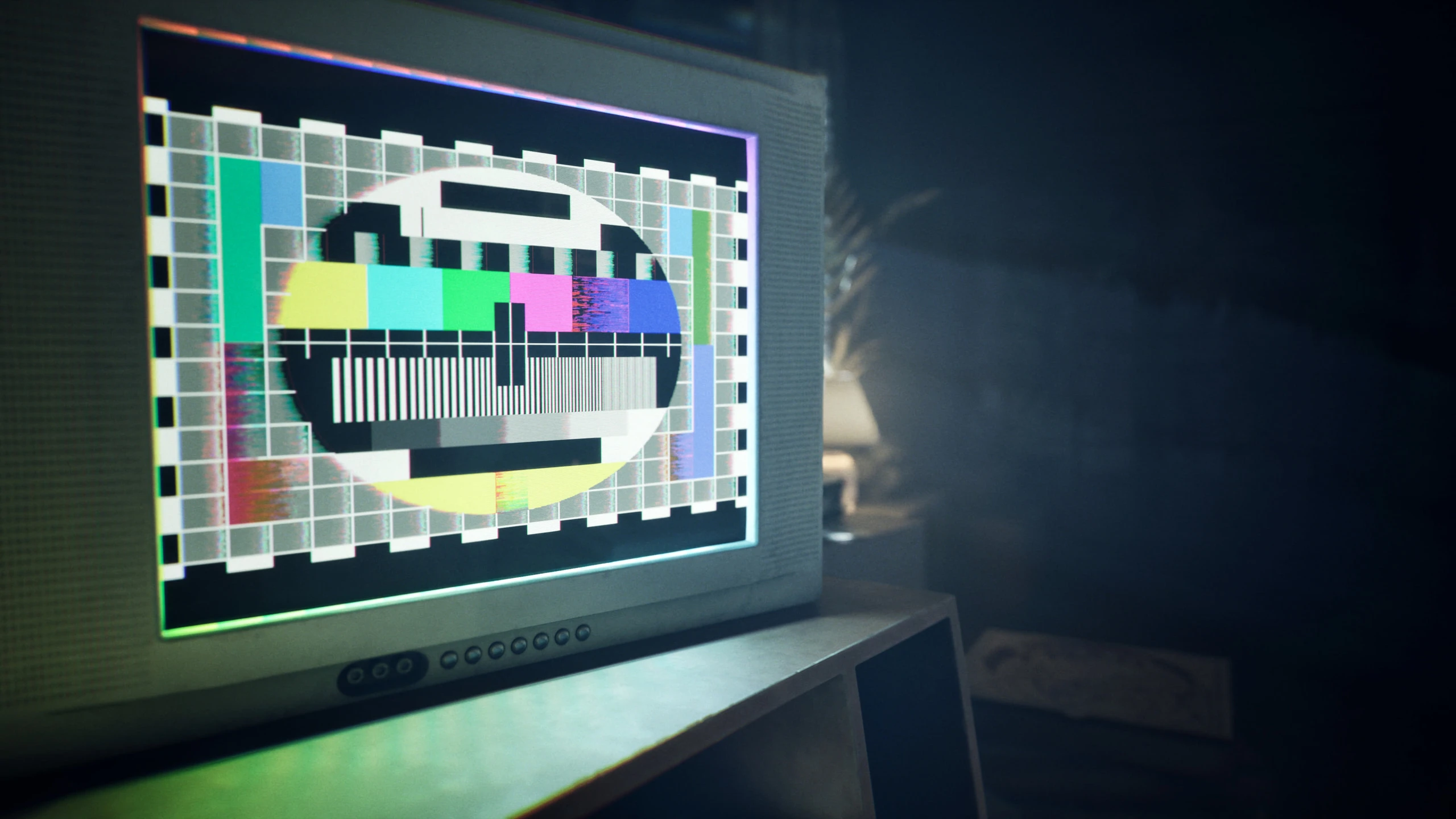
Breakdowns
4 deep dives into the parts I built.
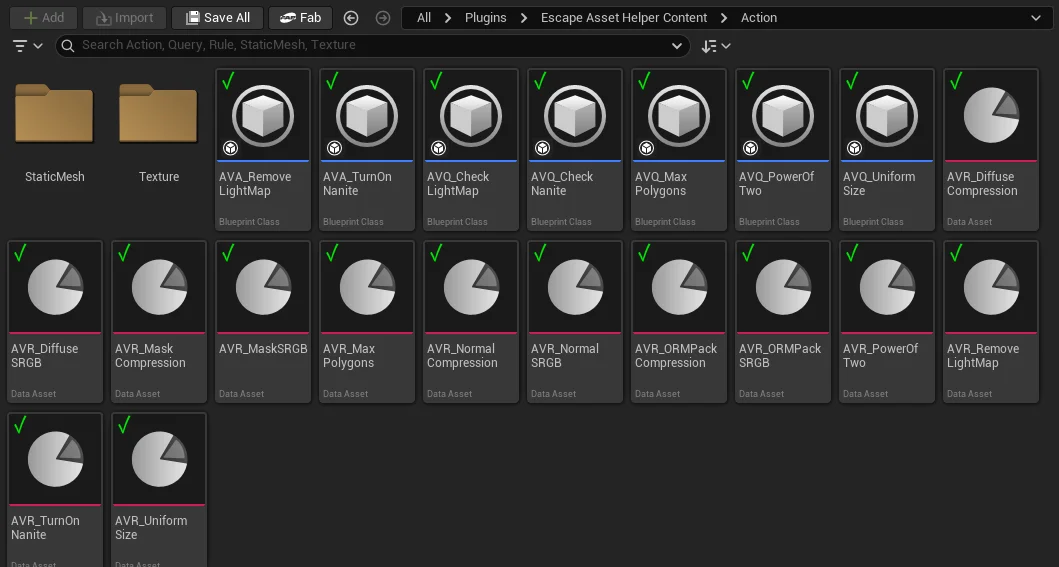
- 01Escape Asset HelperAn Unreal plugin that checks asset names from import through to submit. I released it on GitHub, and another team adopted it.
- 02Optimisation passI ran Project UMBRAE's optimisation, including a community profiling event with the game as the case study, and found its biggest single gain in a render target.
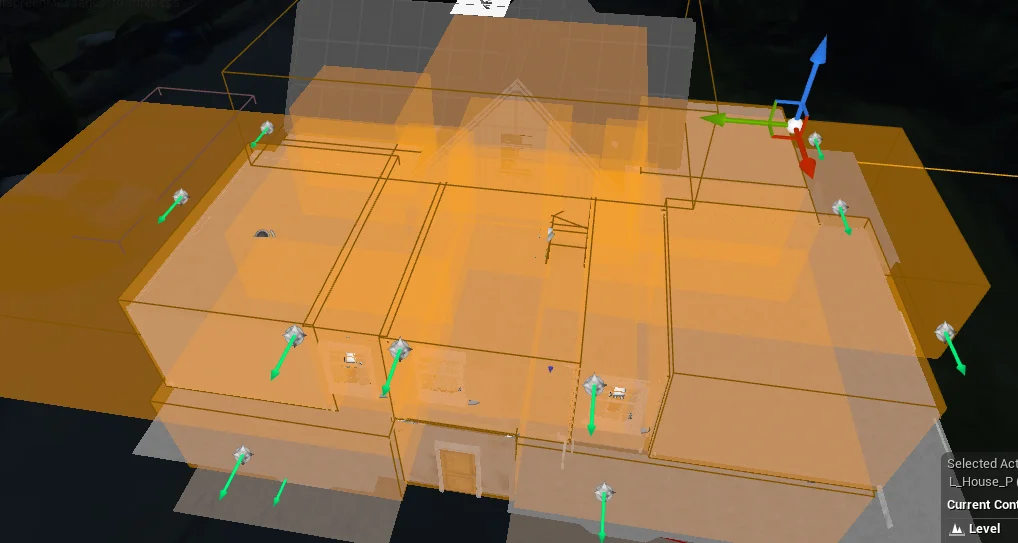
- 03Gameplay systemsI built the event system behind almost every scare in Project UMBRAE, so animators who had never used Unreal could set up their own.
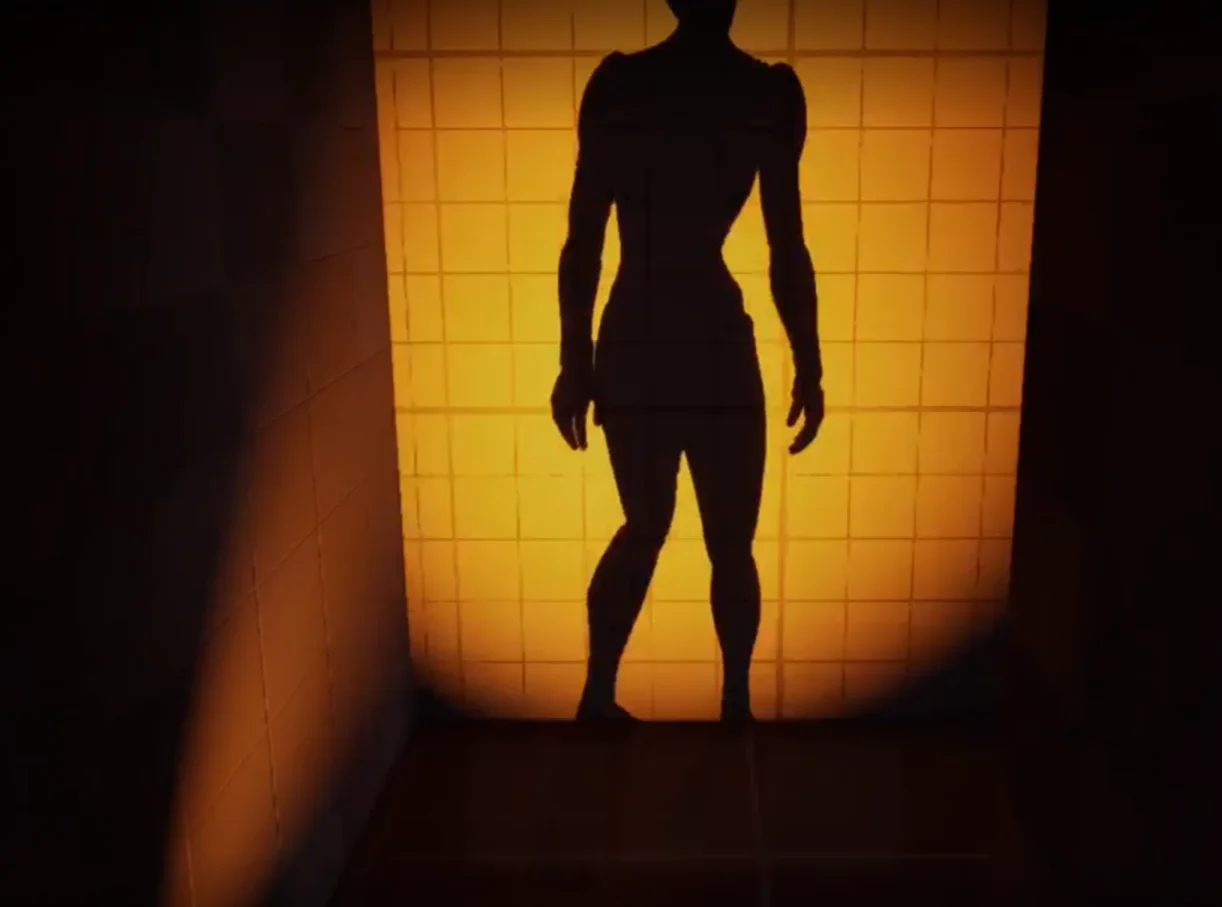
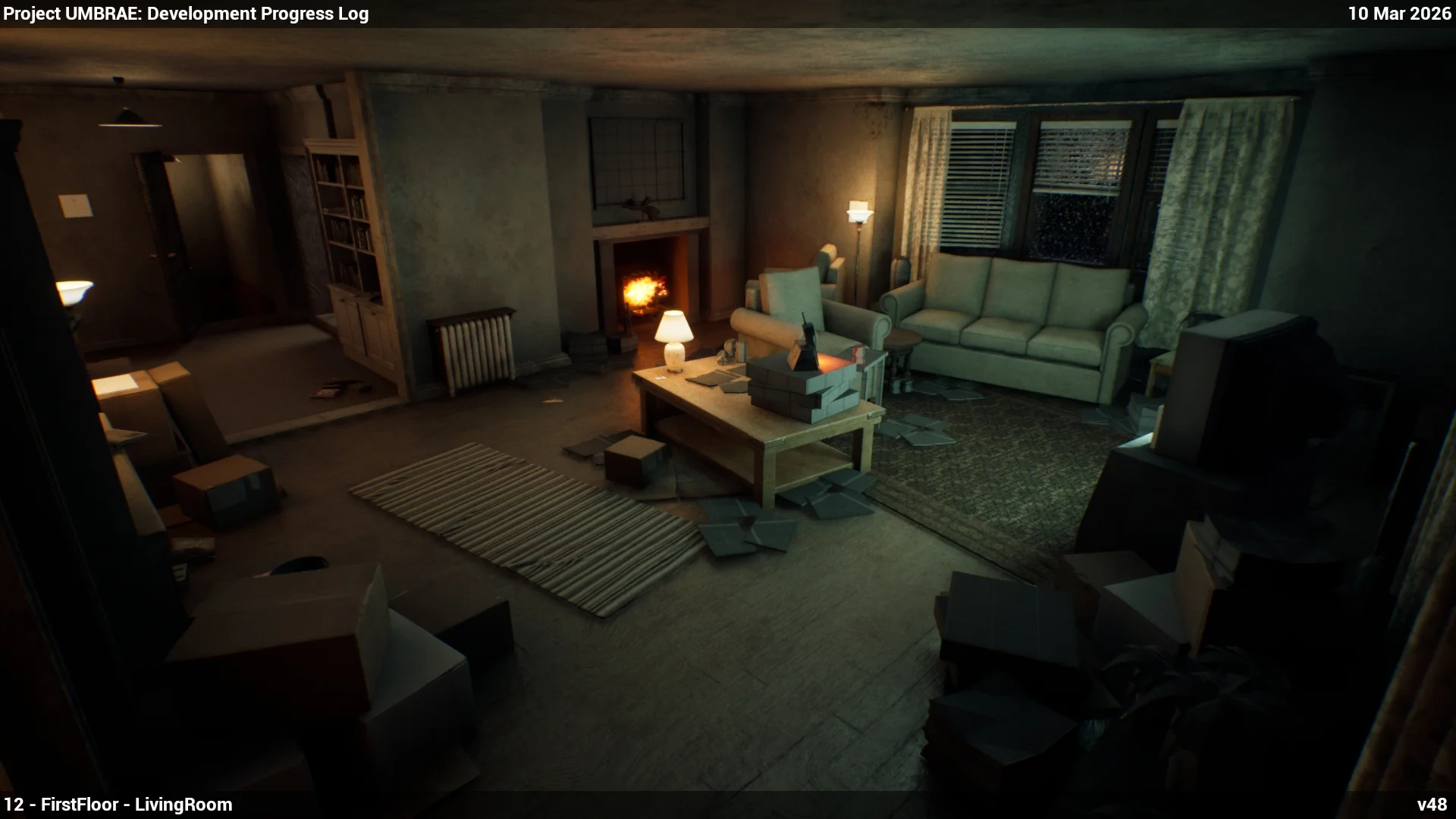
- 04Producing a team of 15I produced a 15-person team for 18 weeks, and automated a progress log that rendered every room in the house once a day.
Overview
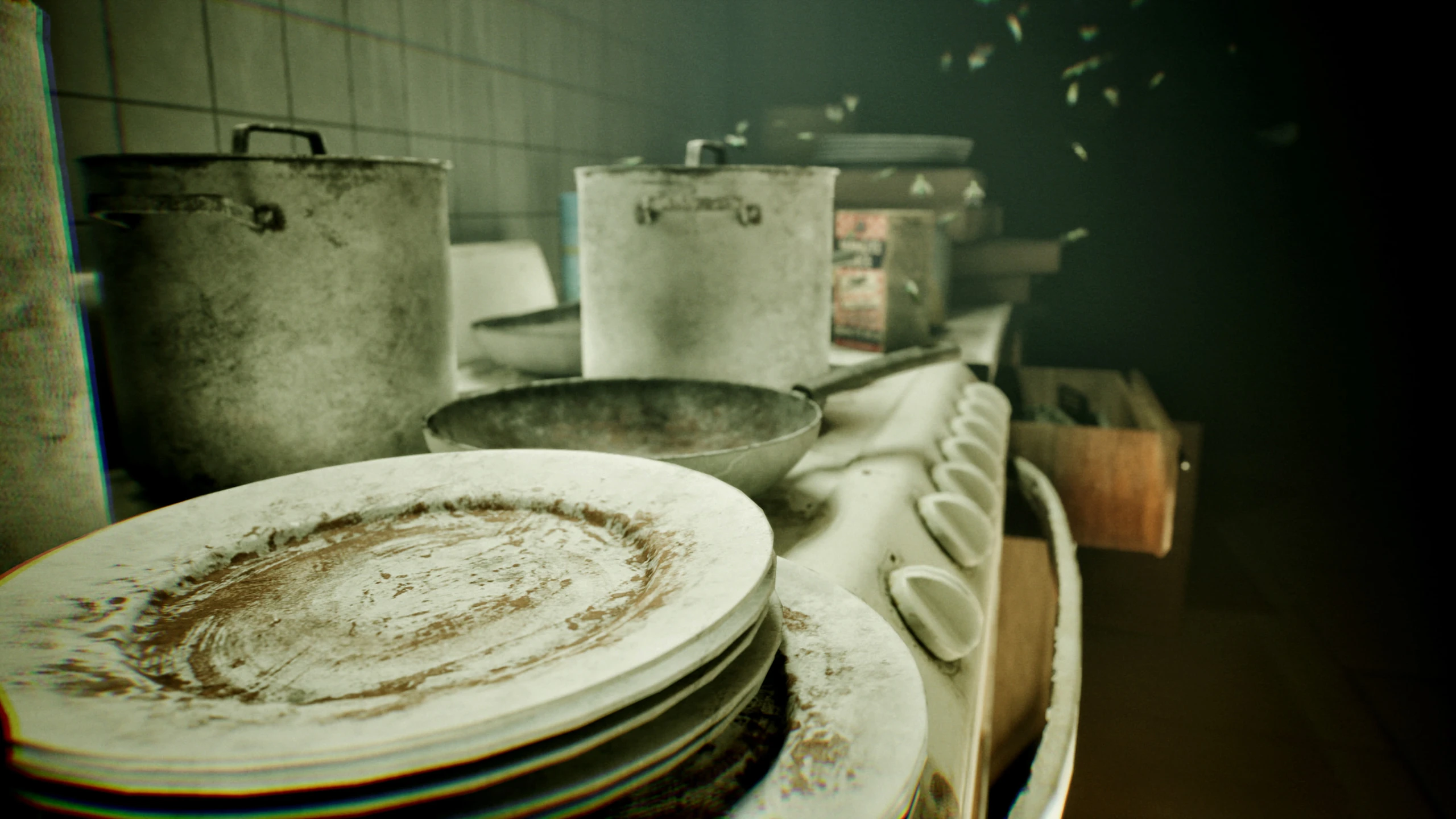
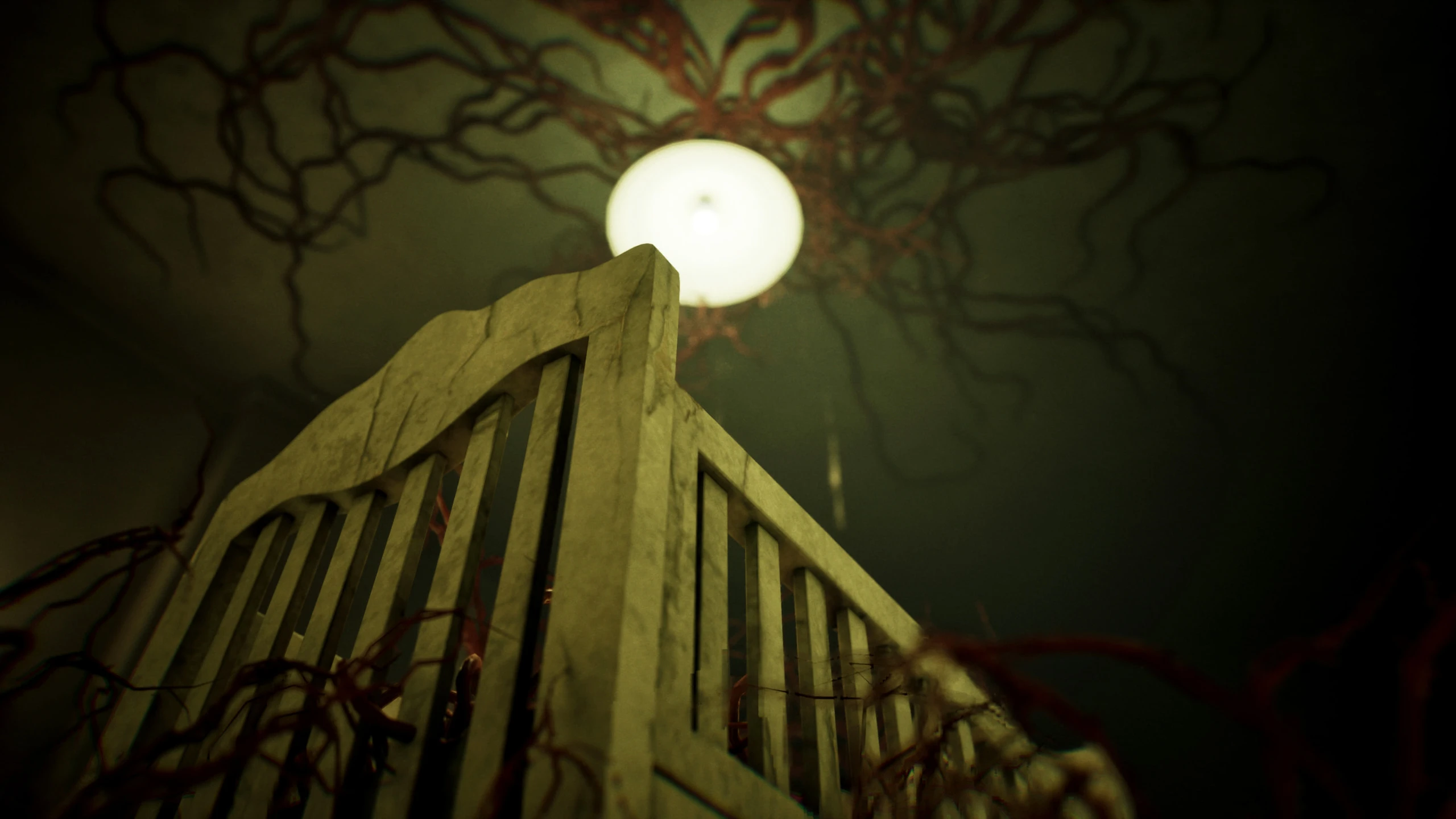
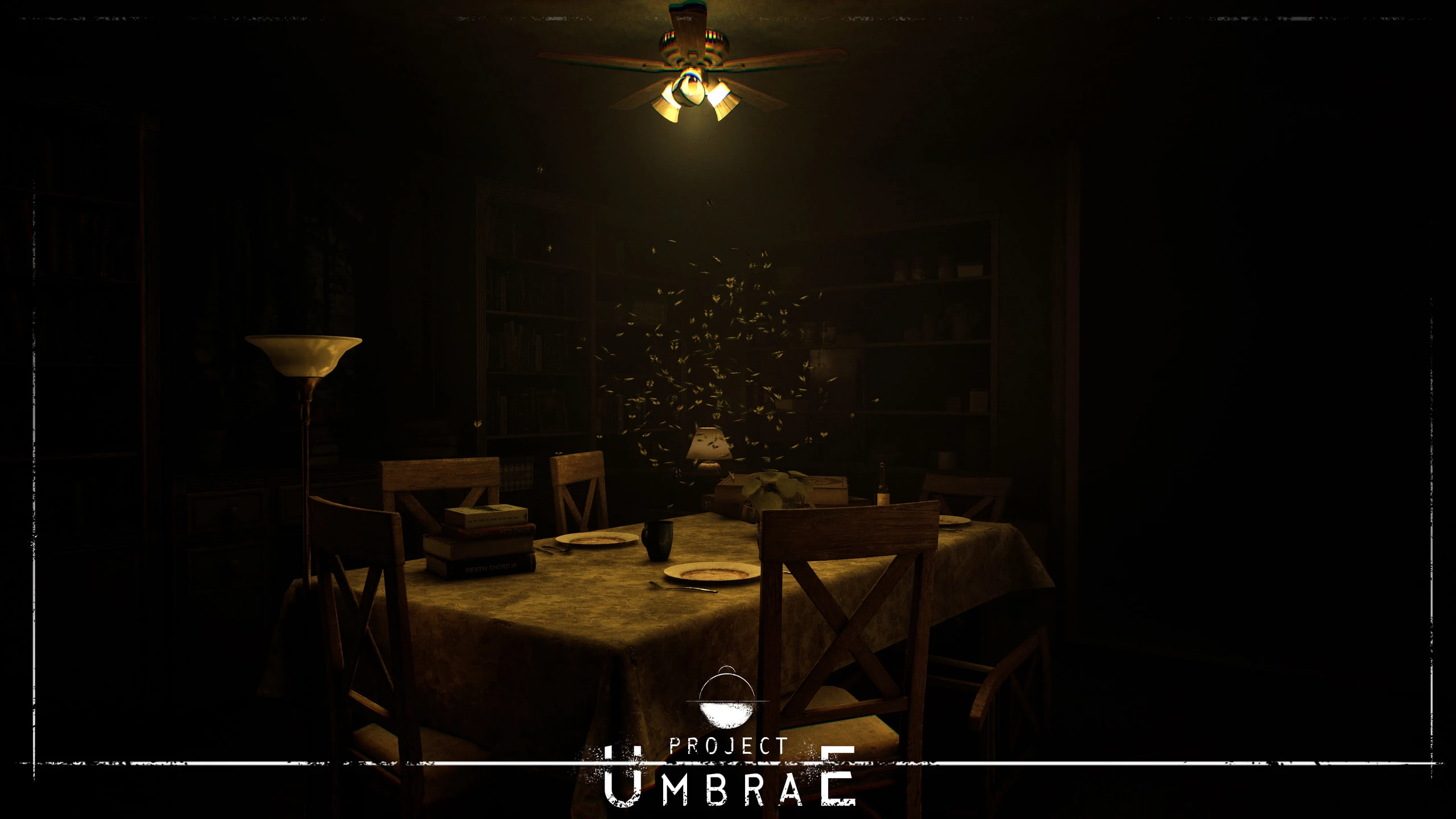
Project UMBRAE is a first-person psychological horror game set in an American suburb in 2009. You play Alexis, house-sitting for their late aunt, exploring the house and solving its puzzles to find out what happened.
It was my Year 3 group project at Escape Studios, for a module set up to simulate a real studio, and at 15 people it’s the biggest team I’ve worked on. Our art bible opens with the three games we drew on most: P.T., Resident Evil 7 (Capcom, 2017) and Visage (SadSquare Studio, 2020).
It was a finalist for Best Student Game at the TIGA Games Industry Awards 2026.
It was the same pairing I had on Borderline Racing. This time I wanted to focus more on the tech art, but the role still ended up producer-heavy.
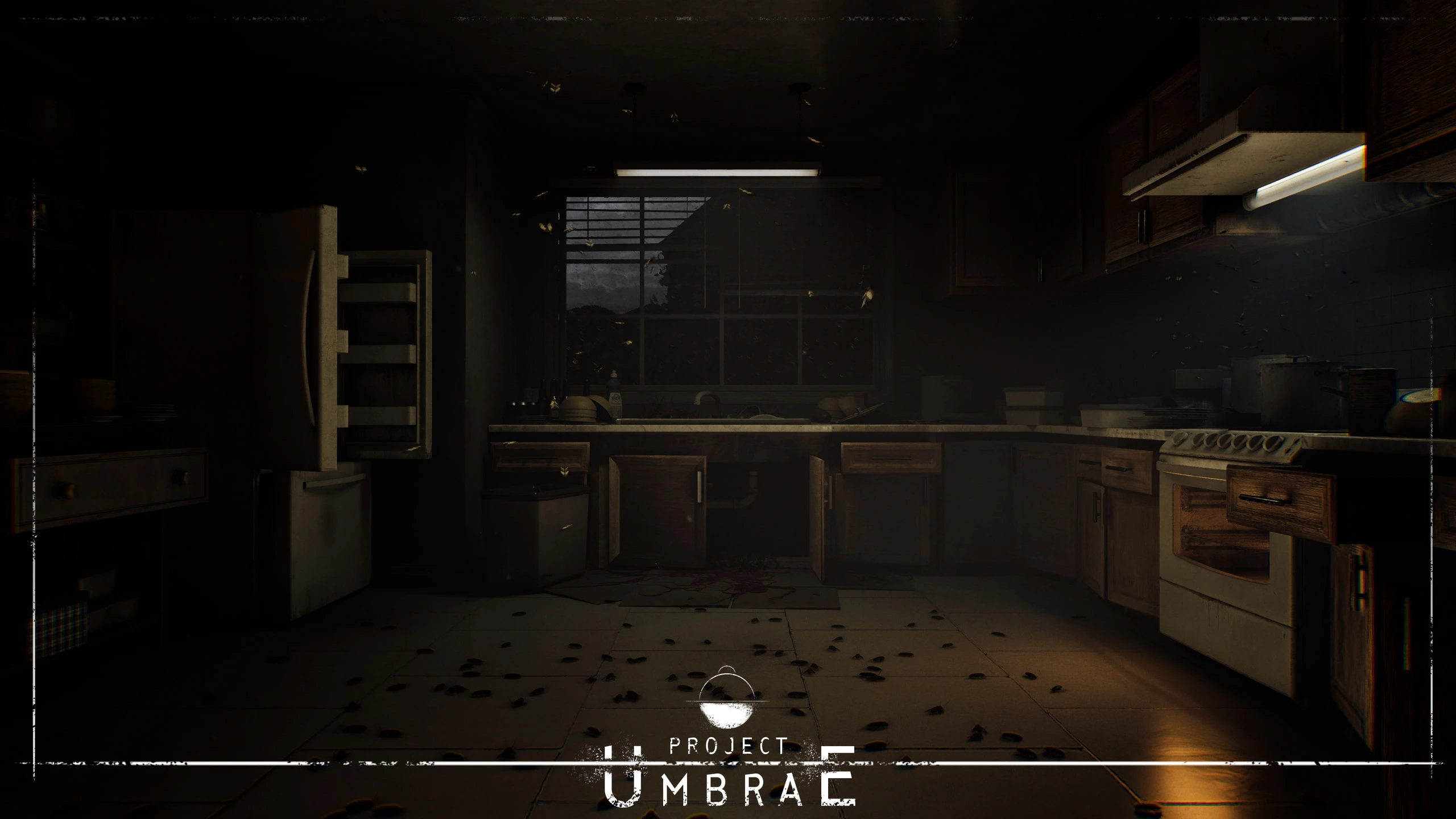
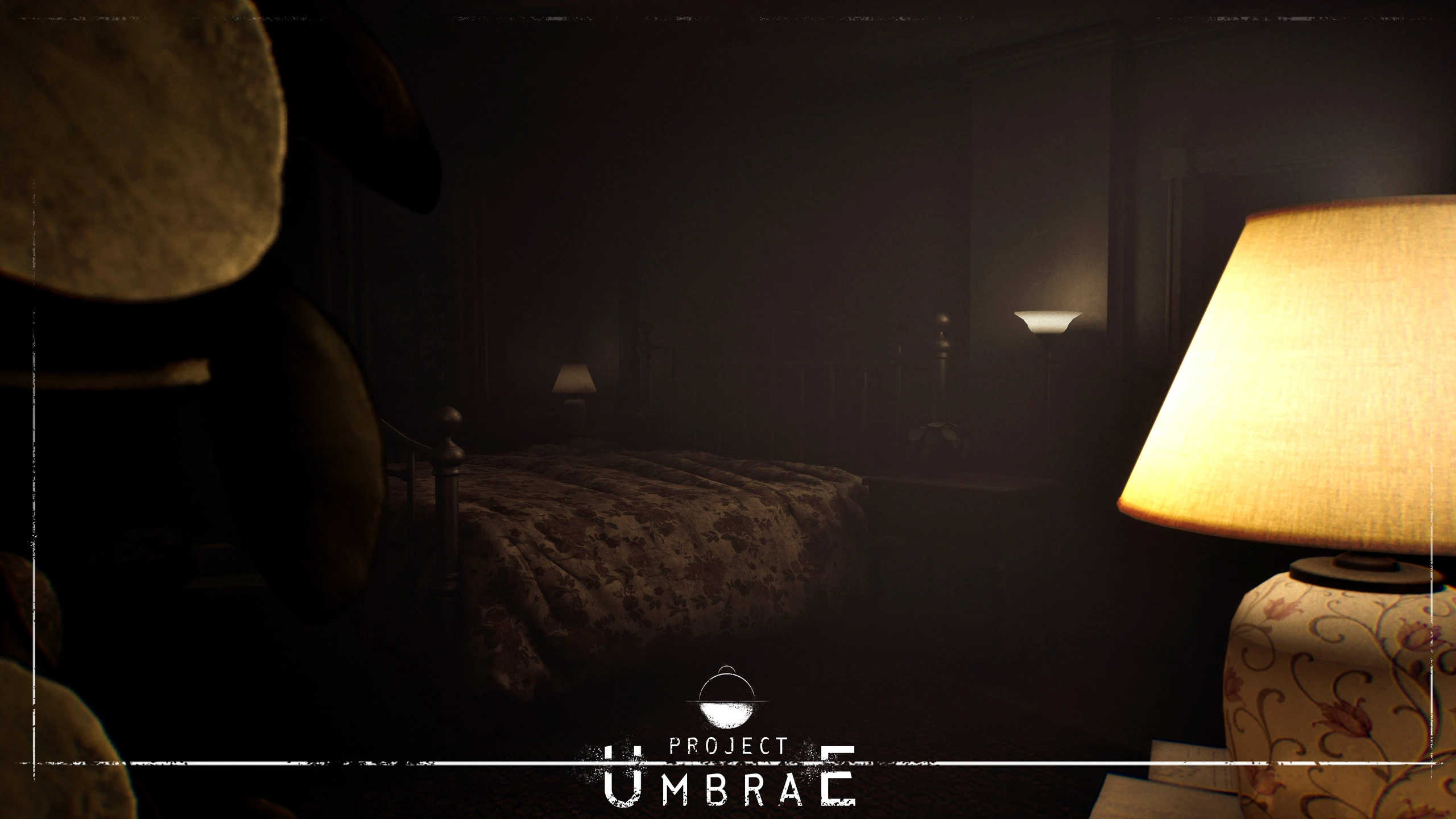
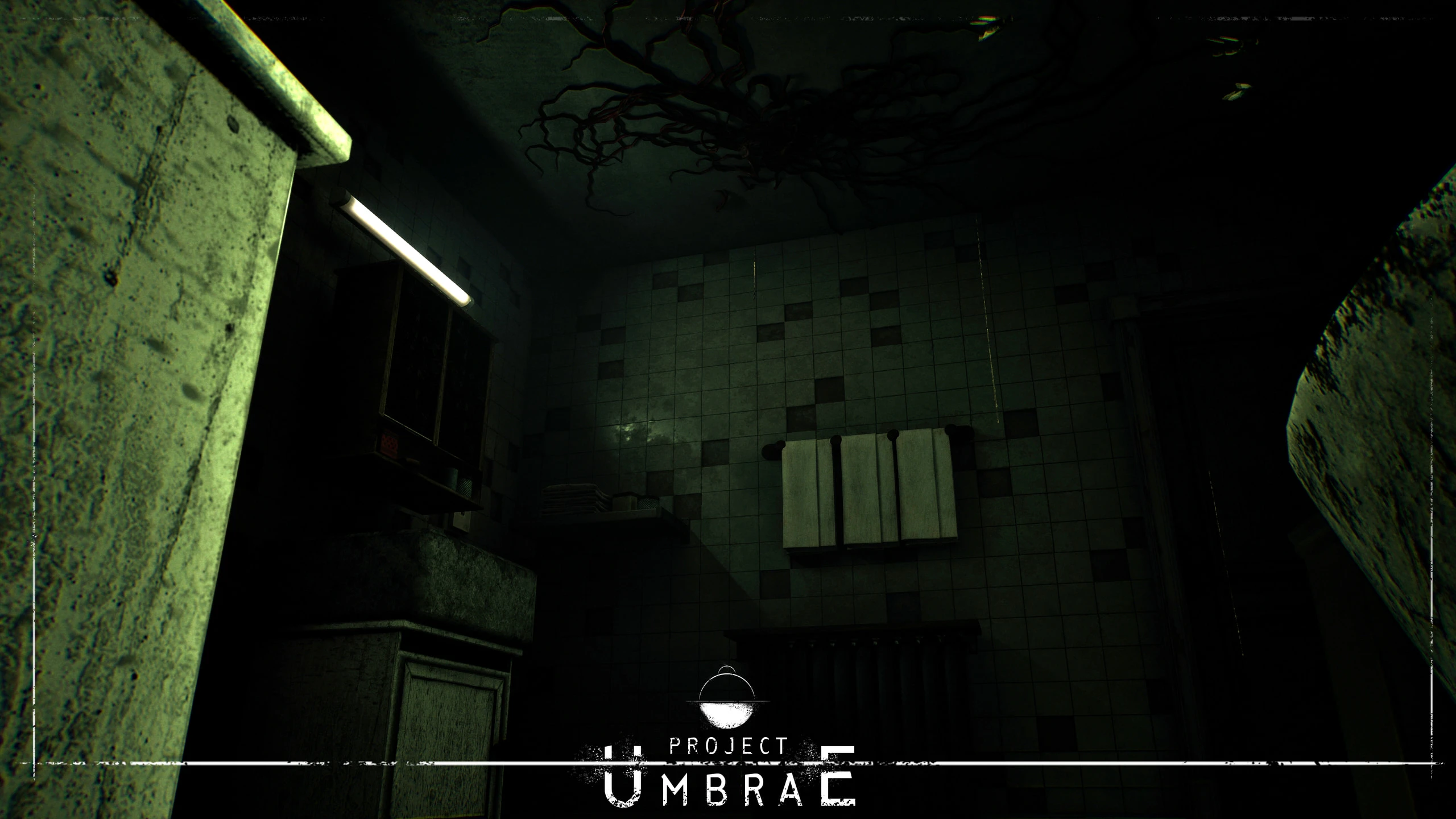
The team and the people who supported us are below. Hover or tap a name to see what they did.
The team
Built and dressed the house, and from Week 9 handled most of the art-side delegation.
Lit the house and made the VFX, including the fluid sims I turned into VATs.
The modular kit, the puzzle tiles, the altar and much of the basement and garage.
The safe, the grandfather clock puzzle assets and paintings, and a world position colour hue material.
The nursery props, the phone, the keys and the dial lock.
The bathroom, from the bath and shower down to the toiletries.
Early pose and base animations, from holding the torch to opening doors.
The main character and the creature, then their outfits after the move to MetaHumans.
Mentors and support
External sound designer. Recorded the foley and made the footsteps, water and ambience from our sound list.
Programme Leader for Game Design at Escape Studios.
Game Art Tutor at Escape Studios.
The final game
The final demo is about 20 minutes long and tells a complete story across a fully dressed and lit house. A lot was cut to get there, including the attic, the non-Euclidean portals and a sanity mechanic.
Gameplay depth is the weakest part, and it was the main critique of Borderline Racing too. Puzzles carry almost the whole game, and playtesters noticed that more as the project went on. To give players more to explore, we added inspectable objects, notes, puzzle keys, and doors and drawers you can open. Over a longer game it would still feel thin, though.
Play it on itch.ioReflections
The main thing I’d change is my own workload. We had dedicated people for lighting, VFX and game design this time, so there should have been more room for tech art, but I still fell into the same producer-heavy role and kept the tech art going in my free time, which burnt me out. Naming a clear art director and lead animator from the start would have taken a lot of it off me.
I’d also build the systems a lot of other features lean on much earlier, even when nothing is pushing for them, because the later they arrive, the more rework they cause. Our event system overhaul came near the end of production, and every event made before it had to be migrated.
Downloads
My retrospective for the module, and the week-by-week production log I kept alongside it.
Sources
Capcom (2017). Resident Evil 7 Biohazard. [online] Available at: https://store.steampowered.com/app/418370/Resident_Evil_7_Biohazard/ [Accessed 22 May 2026].
One of the three games the art bible was built around.
SadSquare Studio (2020). Visage. [online] Available at: https://store.steampowered.com/app/594330/Visage/ [Accessed 22 May 2026].
Reference for the domestic setting and the audio.